Research Fellowship. Centre for Spatial, Environmental and Cultural Politics. University of Brighton.
Toxic Waves is available for exhibition. Some works are currently held in Brazil. If you are interested in showing this body of work, please get in touch.
On January 25, 2019, a dam collapsed at the Córrego do Feijão iron ore mine in Minas Gerais, Brazil. This catastrophe unleashed a massive wave of 12 million cubic meters of tailings, rushing downhill at 120 km/h, devastating the surrounding area. The wave wiped out the forest, the mine’s facilities, including the loading station and administrative buildings, and even the cafeteria where workers were having lunch. The tragedy claimed the lives of 272 people, including a mother and her unborn child.
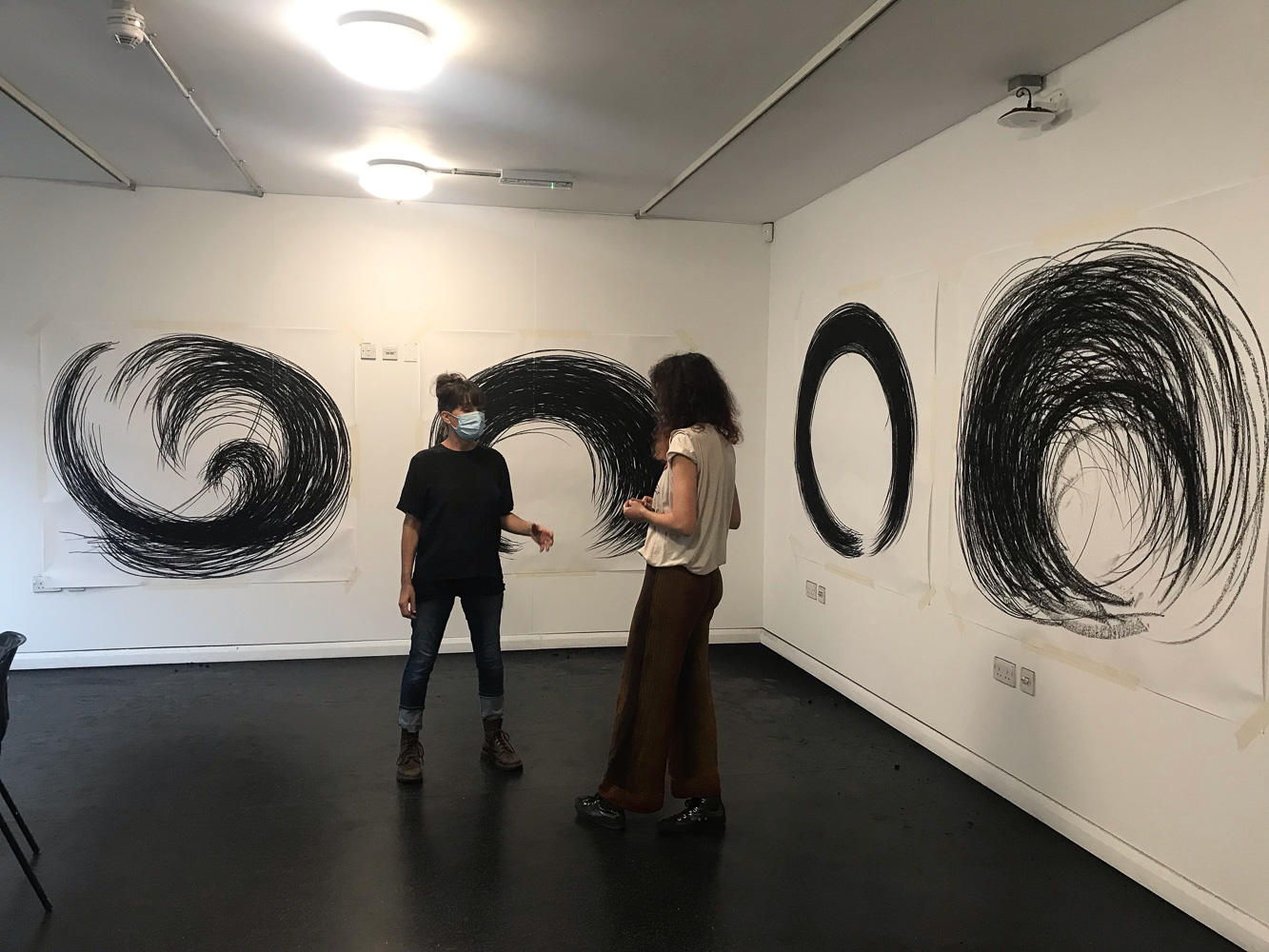
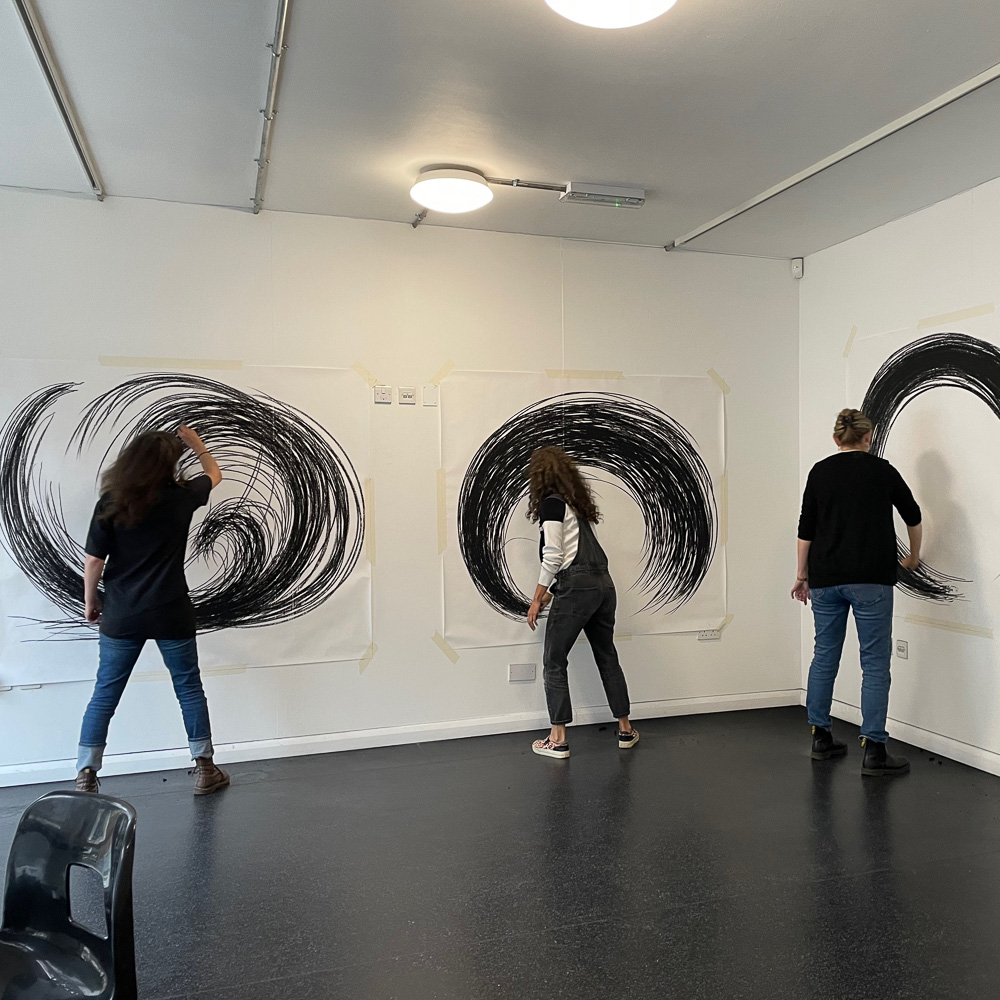
In response, Lebrusan turned to drawing, sculpture, performance and installation as ways of processing grief and bearing witness to ecological catastrophe from a distance. The body of work titled Toxic Waves emerged from this process.
In 2021, Lebrusan embarked on a Research Fellowship at the Centre for Spatial, Environmental and Cultural Politics, University of Brighton. The fellowship deepened her engagement with extractivism, ecofeminism, and ecological grief, and with the question of whether art can bring us closer to social and ecological tragedies occurring far from our immediate surroundings. The fellowship drew on Jane Bennett’s concept of vibrant matter and the idea that handling materials can unlock the narratives embedded within them.
Toxic Waves is an ongoing body of work that has opened Lebrusan’s practice to sustained questions around extractivism, ecofeminism and social history.
Toxic Waves
2020
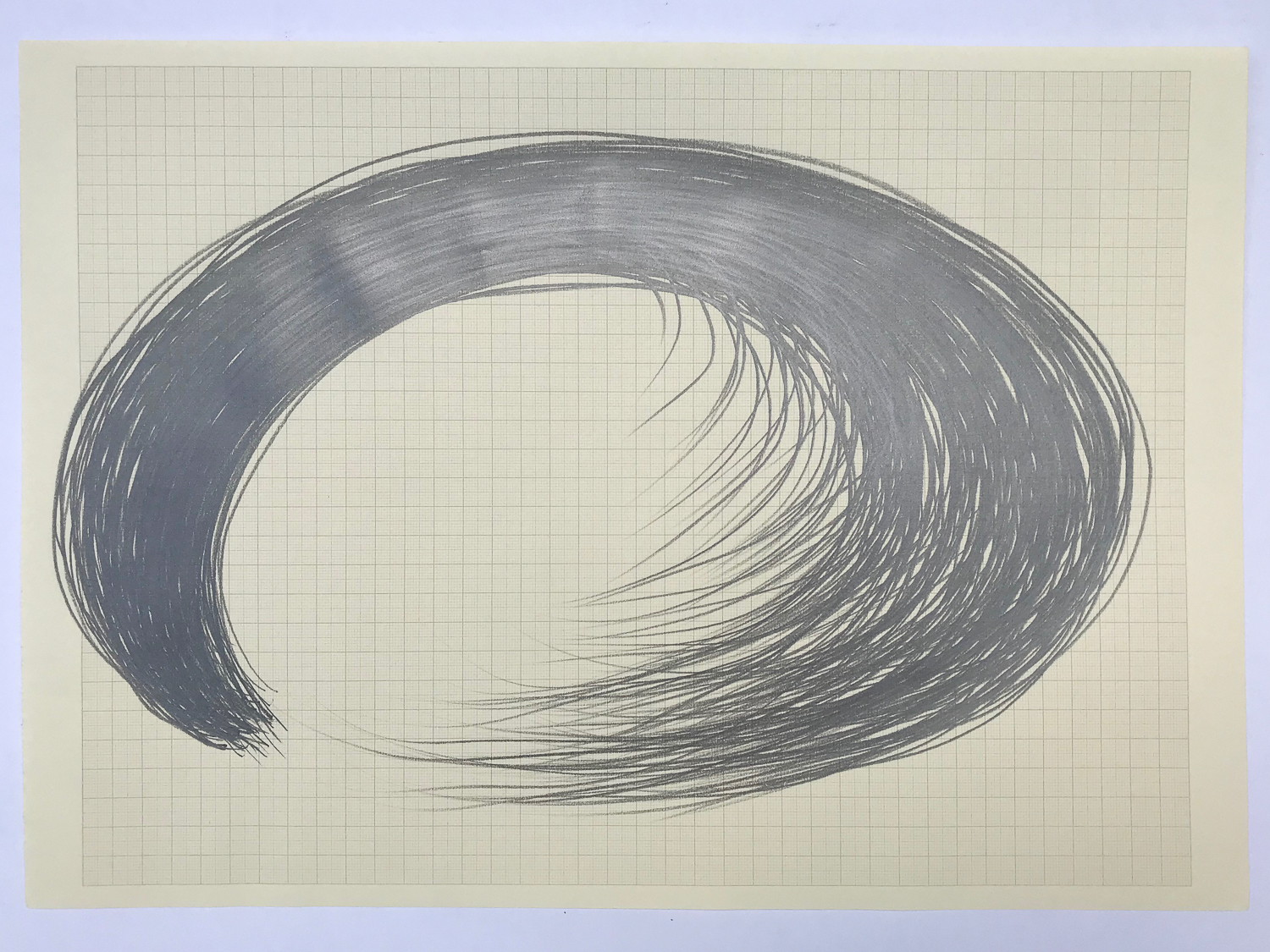
Drawings on paper with charcoal, pencil and clay. Series of 10 drawings, 272 lines each. 100cm x 70cm approx. Read more…
Toxic Waves I
Harvesting empathy and coping with ecological grief through drawing
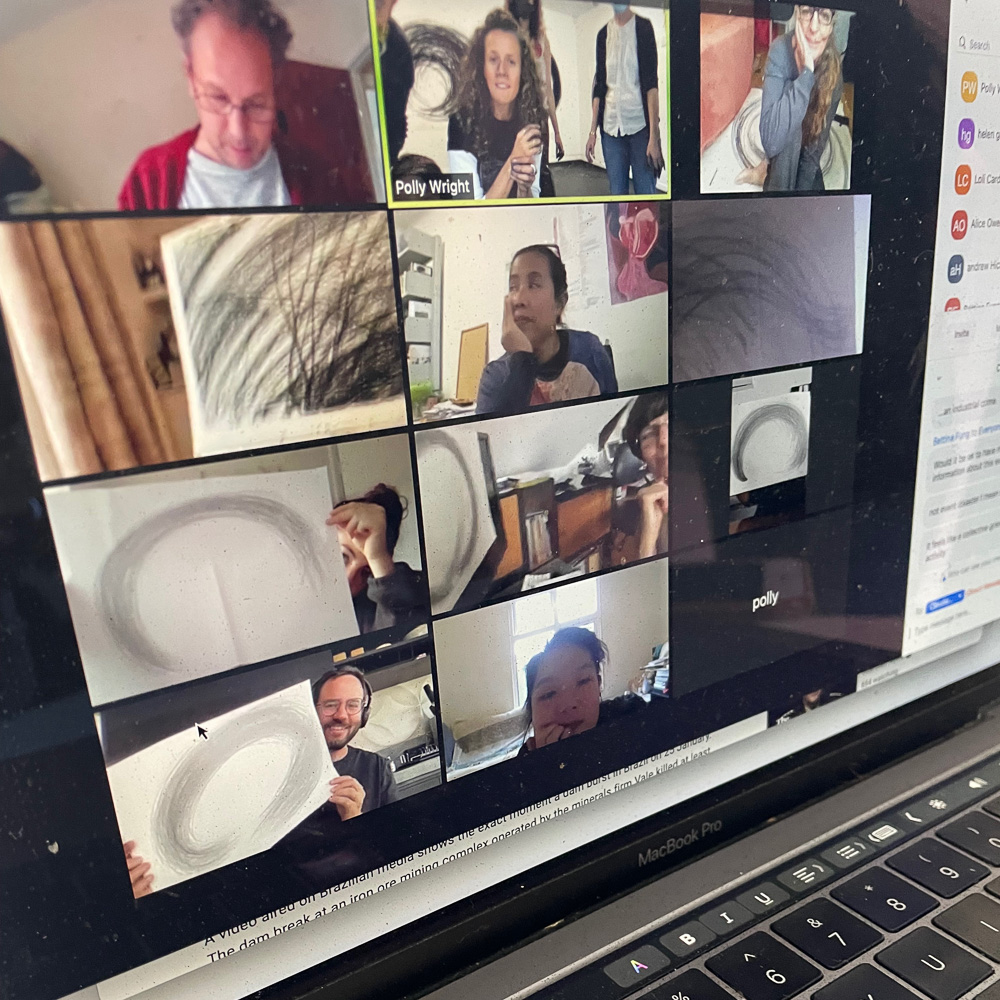
Toxic Waves I is an online participatory drawing performance that took place in September 2021 at Brighton CCA. Participants were invited to draw waves on large pieces of paper in their own homes, using just pencils and the movement of their body. To create a hypnotic rhythm while drawing during those 10 minutes, I used the sound of a musical metronome with 272 beats. These beats represented the 272 lost lives, including the one of mother and her unborn child, at a copper mine disaster in Brumadinho, Brazil, in January 2019. Read more…
Untitled 272
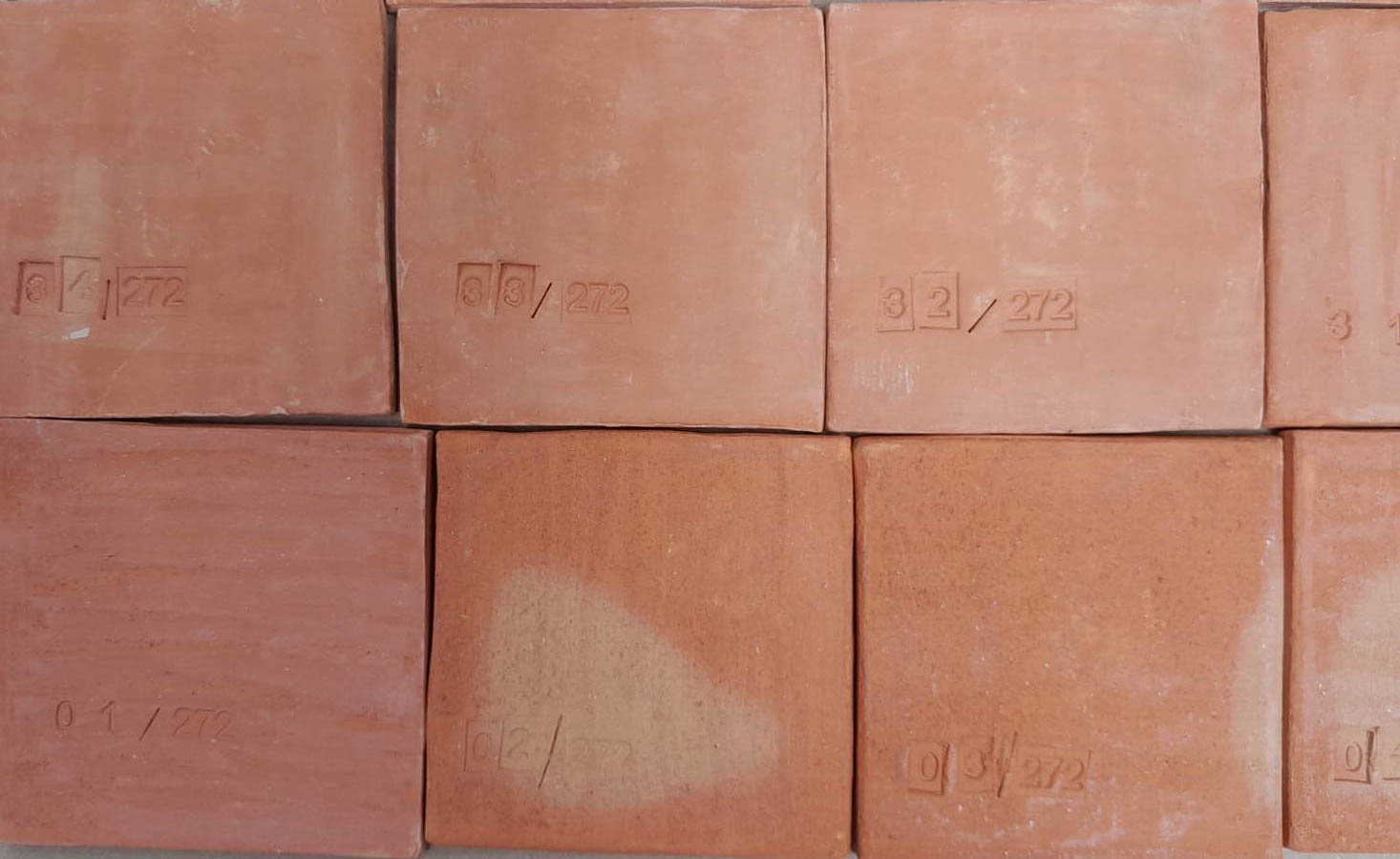
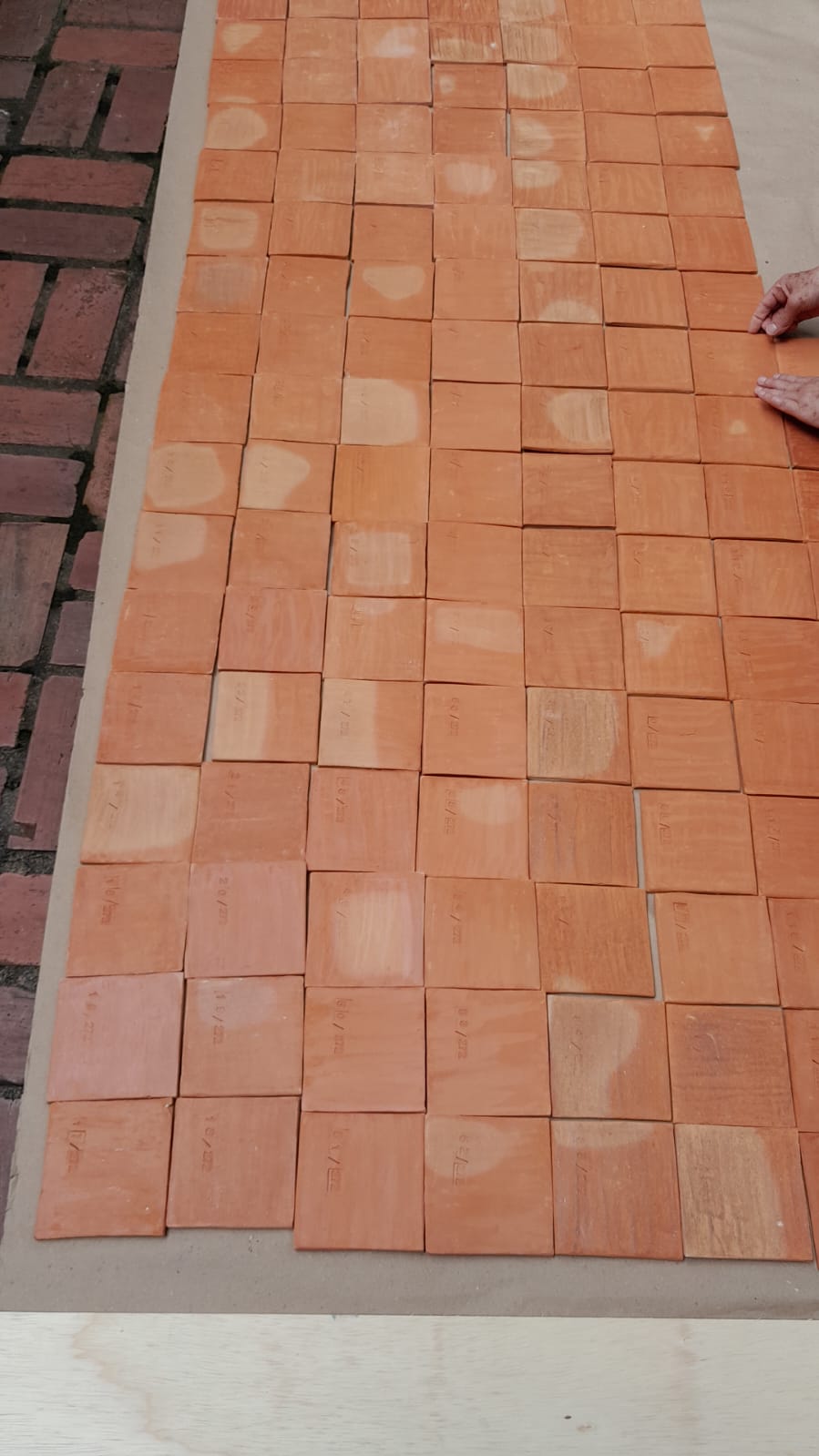
2021-2024 Installation with handmade ceramic tiles. Local Brazilian clay and glazing made with soil from the Brumadinho dam disaster. Numbered 1-272.
Mother and Child
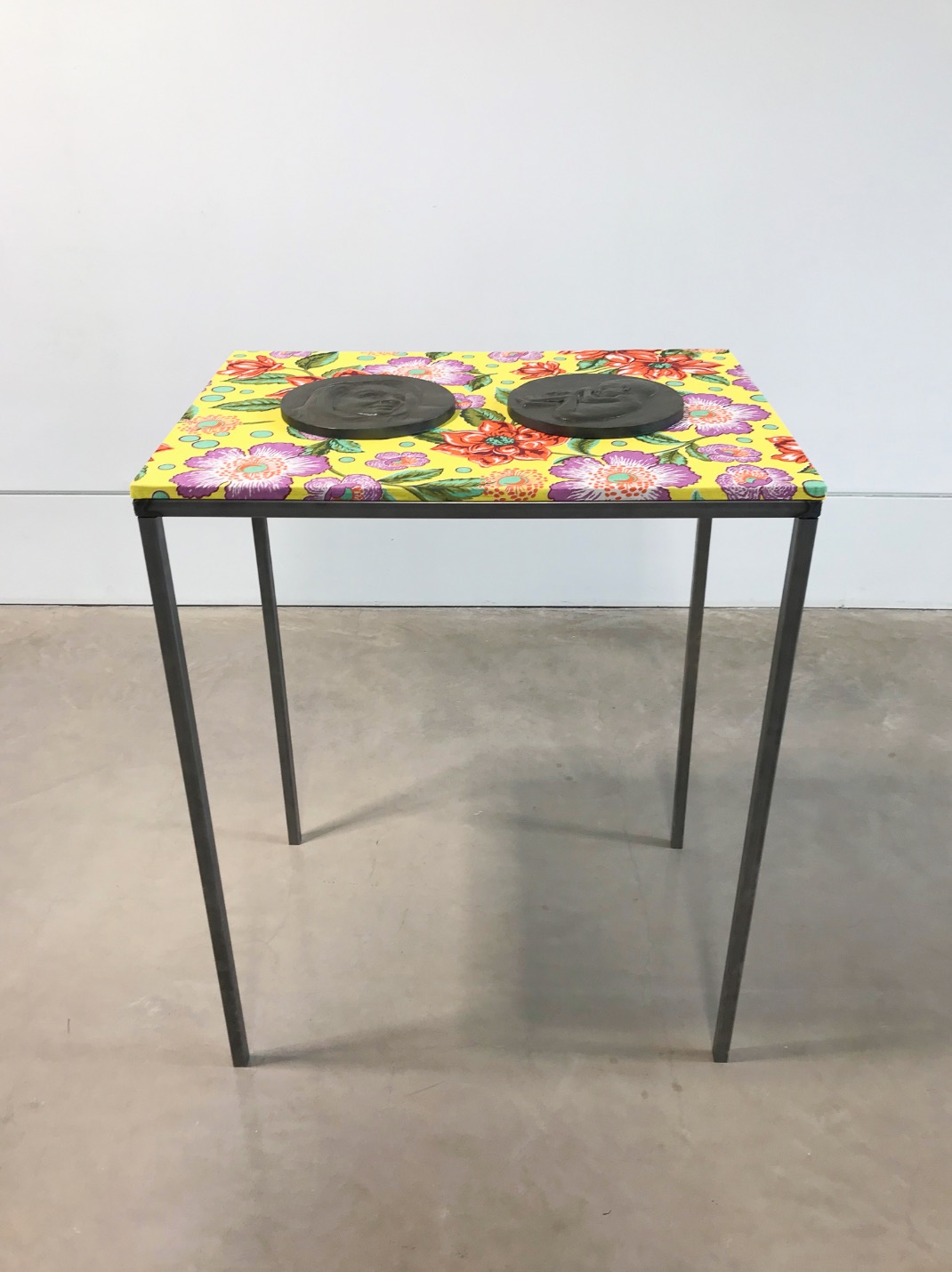
2023 Iron plaques & table with Brazilian chita fabric 70x50x90cm Rear more…
Joias (Jewels)
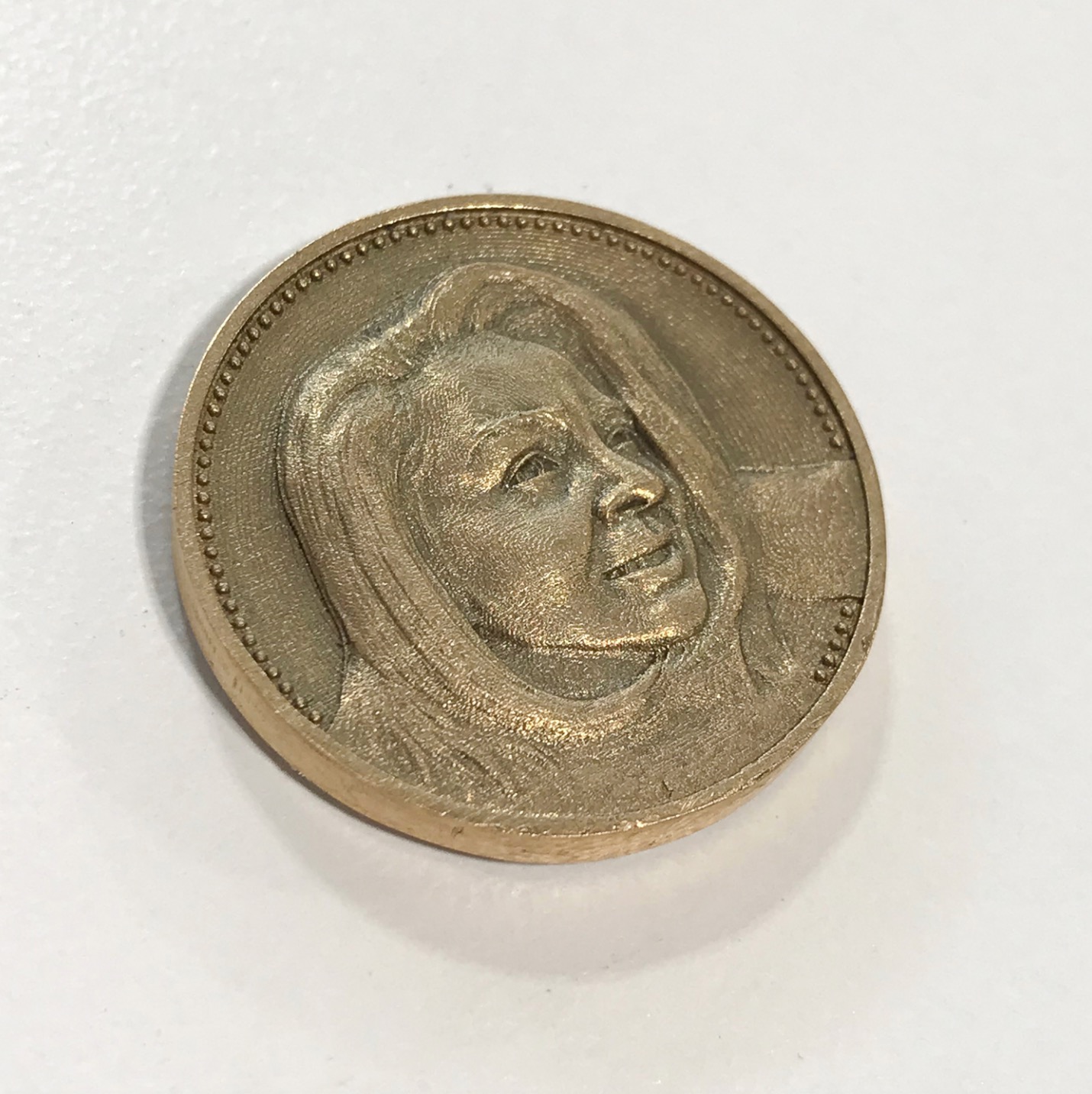
2023 Celebratory coin made in brass 25mm x25mm x4mm Read more…